LED strip is one of the most versatile light sources in home lighting, but it is also one of the easiest to use incorrectly.

What LED strip lighting is best for
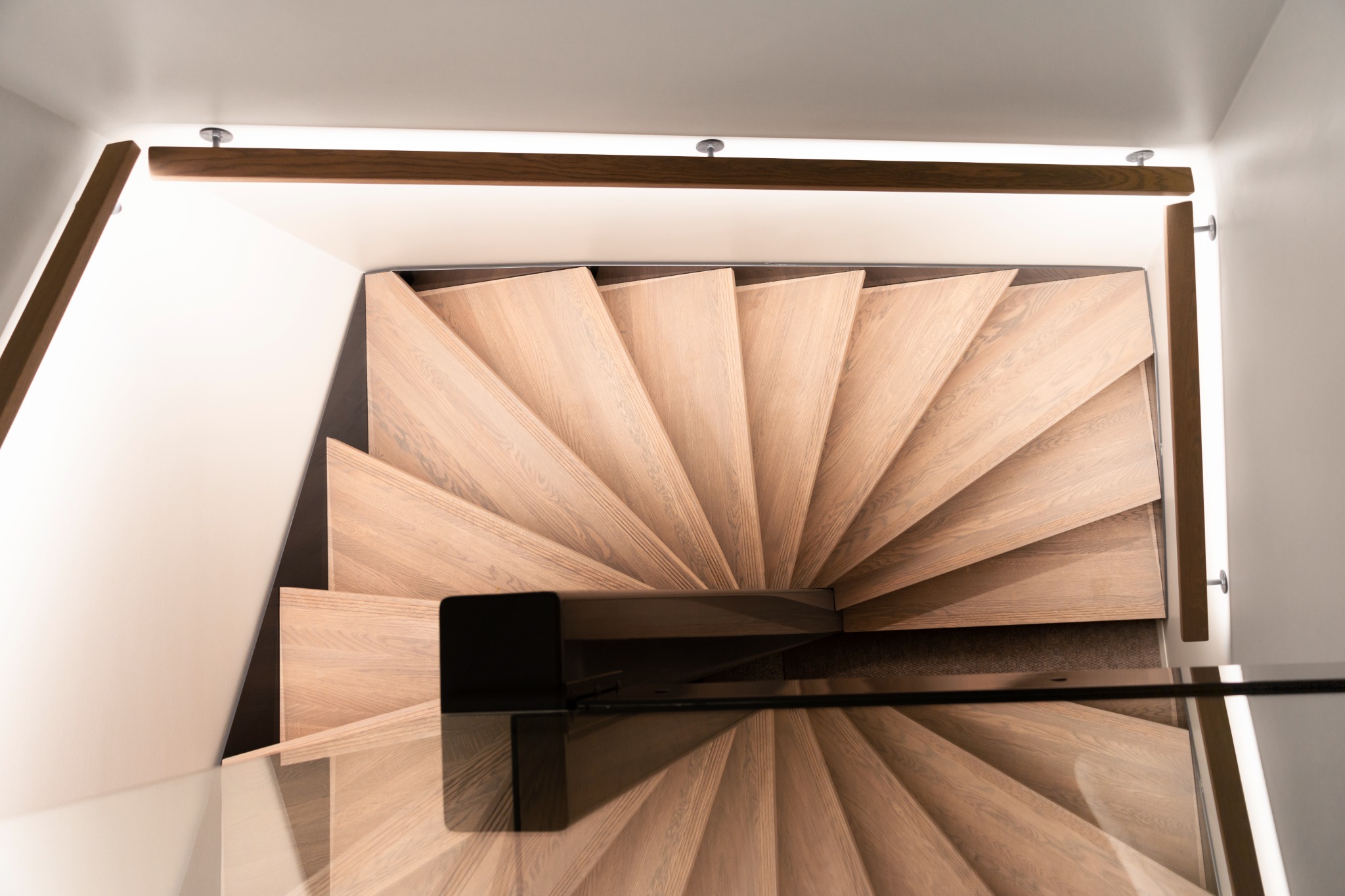
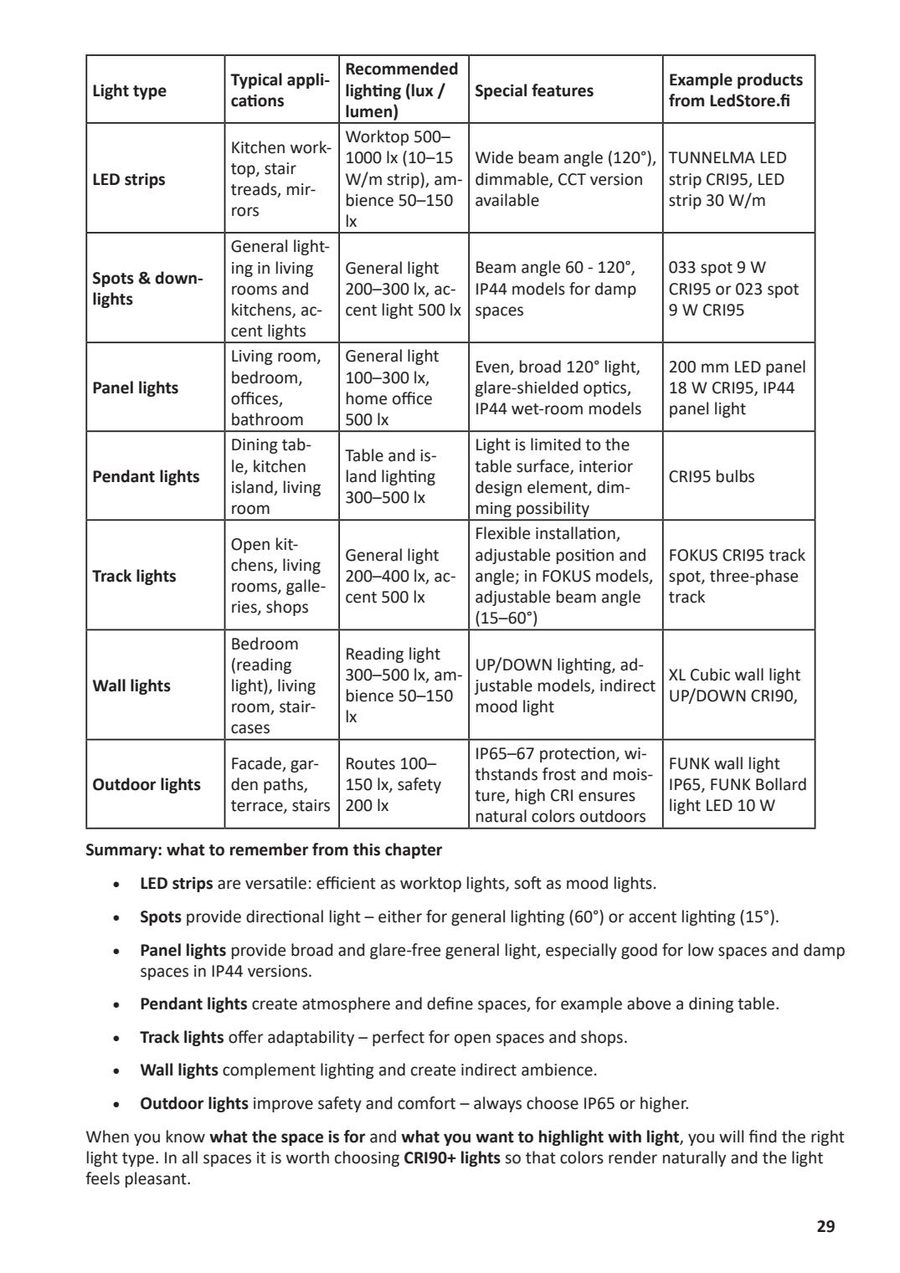
LED strips are excellent when the light should follow a line, surface or architectural detail. They work well under kitchen cabinets, inside shelves, along stairs, behind mirrors, in ceiling coves, under benches, on terraces and as indirect light. Their strength is that they can provide continuous light where individual luminaires would look too heavy or create too many visible points.
The result depends heavily on where the strip is installed. A strip aimed directly into the eyes can glare and look unfinished. A strip hidden in a profile or behind a surface can create soft, even and premium-looking light. Good LED strip design is therefore a combination of light output, mechanical detail and viewing angle.
COB vs traditional SMD LED strip
Dotless COB strips have a continuous-looking light line because the LED chips are densely packed and covered with a smoothing layer. They are often the best choice for visible installations such as furniture, open profiles and worktop areas where dotted light would look cheap. Traditional SMD strips show individual LED points, but they can work very well in indirect lighting where the strip itself is hidden.
Traditional SMD strips can also be practical for long indirect runs because voltage drop and power feed limitations must be considered. COB is visually attractive, but long runs may require multiple feeds or careful planning. The choice should be based on the installation type, visibility of the strip, required light output and total length.
Always use an aluminum profile
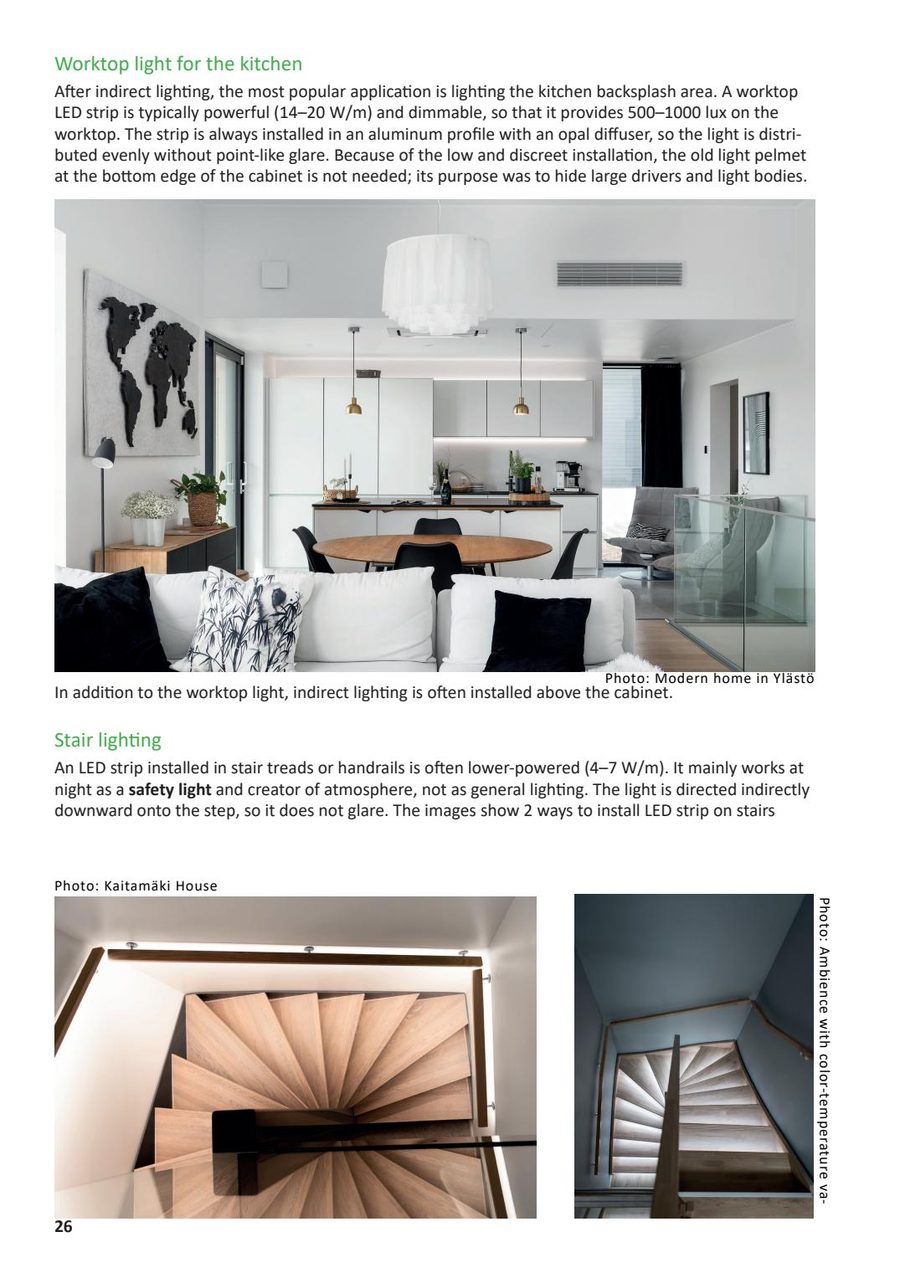
An LED strip should normally be installed in an aluminum profile. The profile protects the strip, improves mechanical finish, helps cooling and gives a place for an opal diffuser. Cooling is important because LED life and stability depend on temperature. A strip glued directly to wood, plaster or painted surfaces can overheat, loosen or age faster.
The diffuser also changes the visual result. A shallow profile with weak diffusion may still show dots, especially with SMD strip. A deeper profile or COB strip gives a smoother line. In kitchen worktop lighting, the profile also helps aim the light and reduces glare when viewed from sitting height.
Kitchen worktop lighting
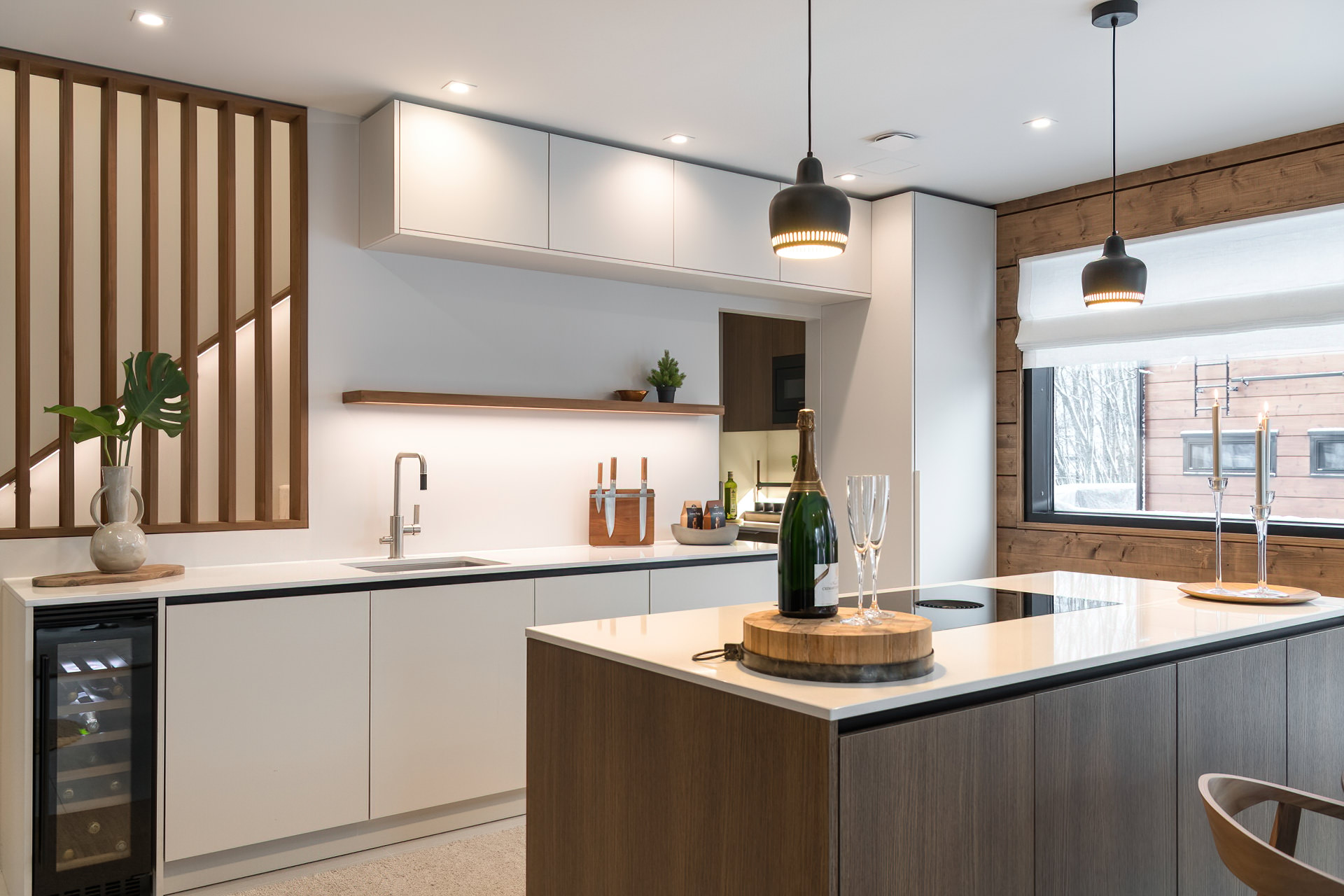
Kitchen worktop lighting is one of the most important uses for LED strip. The light should be placed under upper cabinets so it reaches the work surface directly. This avoids the classic problem where ceiling lights place the cook's own shadow on the worktop. A good worktop LED strip is usually powerful, high CRI and dimmable.
The color temperature depends on the rest of the kitchen. Around 3000 K gives a warm home atmosphere, while 4000 K can feel more neutral and practical for work. CCT-adjustable strips allow both, but they need suitable controls and drivers. The most important quality requirement is often CRI, because food, materials and surfaces should look natural.
Indirect LED strip lighting
Indirect strip lighting means the light first hits a surface such as a ceiling, wall, cabinet top or stair underside and then reflects into the room. This creates soft, comfortable light without visible glare. It is ideal for living rooms, bedrooms, ceiling coves, saunas and evening ambience.
Indirect lighting needs enough power because some light is lost in reflection. Dark surfaces absorb much more light than white surfaces. The distance from strip to reflecting surface also affects whether the result is smooth or patchy. A hidden strip should be tested or modeled so that the reflection looks continuous and intentional.
Drivers, dimming and control
LED strips need a compatible driver. The driver must match voltage, total power and control method. A common design mistake is placing the driver where it cannot be accessed later, or choosing a driver that does not work with the intended dimmer. Calculate strip length times watts per meter, add margin and choose a driver that can handle the load.
For control, LED strips can be simple on/off, TRIAC dimmed, RF controlled, Zigbee, DALI or part of a smart home. CCT and RGBW strips need multi-channel controls. The best choice depends on whether the installation is a single kitchen, a whole house, a renovation or a professional automation system.